LOADING...

Category "Uncategorized"

4Oct

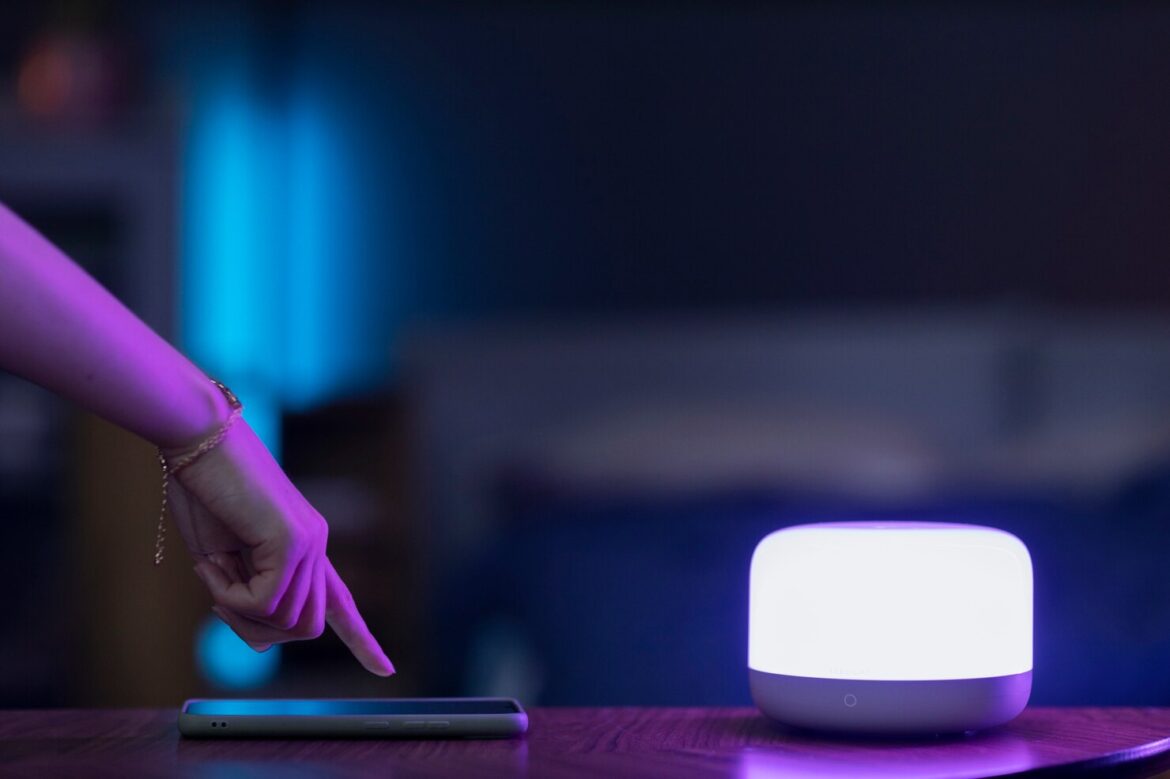
Smarter Homes with Advanced Home Automation

by Websites Team

Many families want homes that feel safe, comfortable, and efficient. Yet, most still deal with outdated devices and scattered controls. Lights are adjusted by wall switches, thermostats by hand, and locks with keys. Each task feels small, but together they consume time and energy.

Over time, this daily management turns into stress. Forgetting to switch off lights raises bills. Leaving the thermostat running wastes energy. Worrying about whether doors are locked creates unease. Outdated systems no longer match the fast pace of modern life. Families need something better, something that saves time and reduces worry.

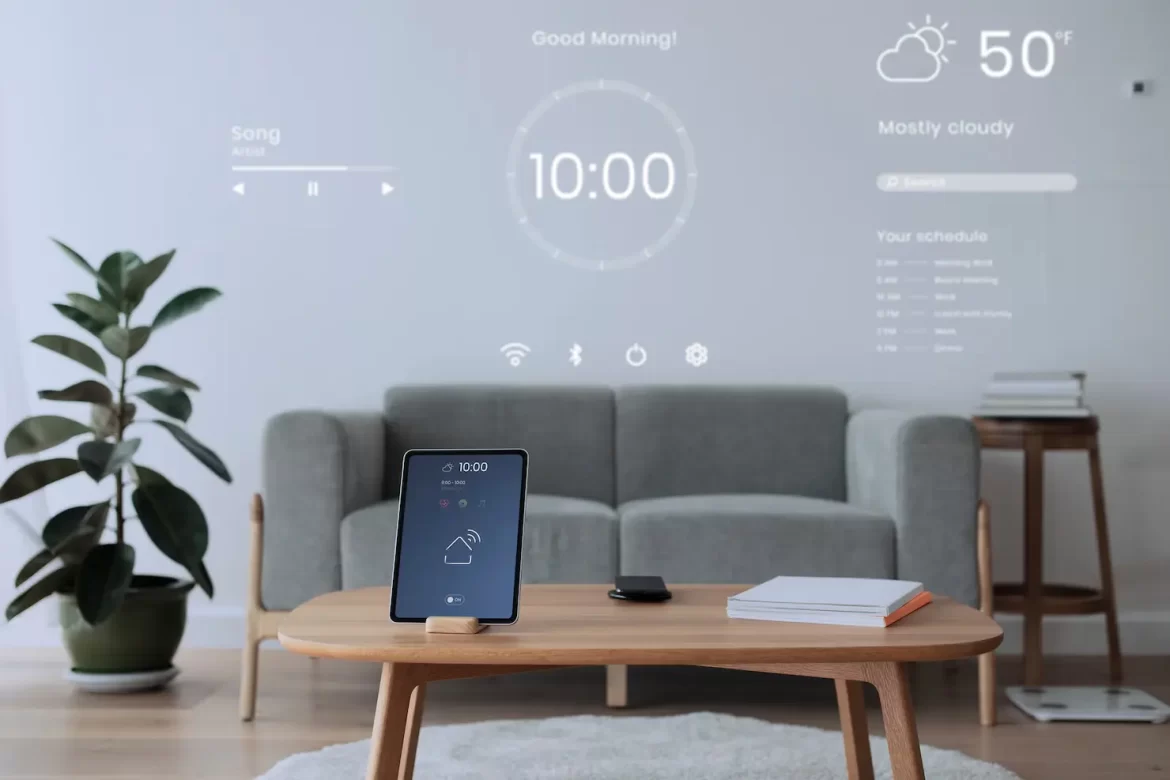
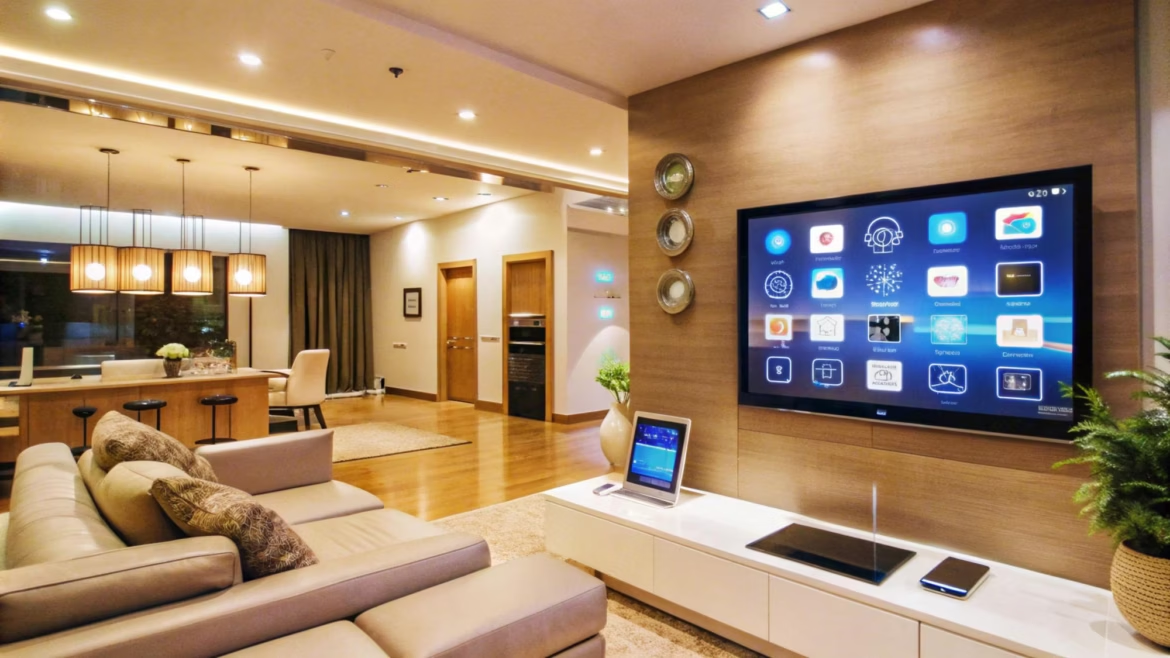
Home automation provides that solution. With integrated technology, everything works together under one control. Lighting schedules adjust automatically. Climate control keeps rooms comfortable without constant changes. Security locks and cameras provide instant peace of mind. Entertainment systems connect seamlessly, all from one app or panel.

Why Home Automation Matters Today

Homes are now more connected than ever, but without home automation, families miss out on true efficiency and comfort. Simple oversights like a light left on, an unlocked door, or a thermostat running too high can waste energy and reduce safety. Managing each of these tasks separately takes time, adds stress, and often slips through the cracks.

With home automation, these challenges vanish. Smart systems anticipate household needs and adapt instantly. Lights turn off automatically in unused rooms, thermostats adjust before anyone arrives, and access control systems keep doors secure whether you are home or away. Families no longer need to juggle multiple devices or worry about forgetting small but important tasks.

This technology has moved beyond luxury. It is now a daily necessity, combining safety, convenience, and efficiency in one seamless solution. For modern living, automation ensures a smarter, safer, and more comfortable home environment.

Centralized Comfort in Every Room

Comfort in most homes often depends on manual effort. People adjust lights, thermostats, and shades throughout the day, sometimes forgetting small details that affect mood and convenience. Routines feel less consistent, and the home environment doesn’t always match the moment.

With home automation, comfort adapts naturally. Morning routines begin with gradual lighting and cozy warmth. Evenings become restful with dimmed lights, cooler settings, and motorized shades that provide instant privacy. Families no longer juggle switches or remotes. Every detail fits individual lifestyles, offering customized comfort for each family member. And with one app controlling it all, managing comfort becomes effortless, leaving homes perfectly aligned with daily routines.

Safer Homes with Smart Security

Safety is a priority for every family. Traditional locks and alarms only provide partial protection. They also require manual use, which people often forget.

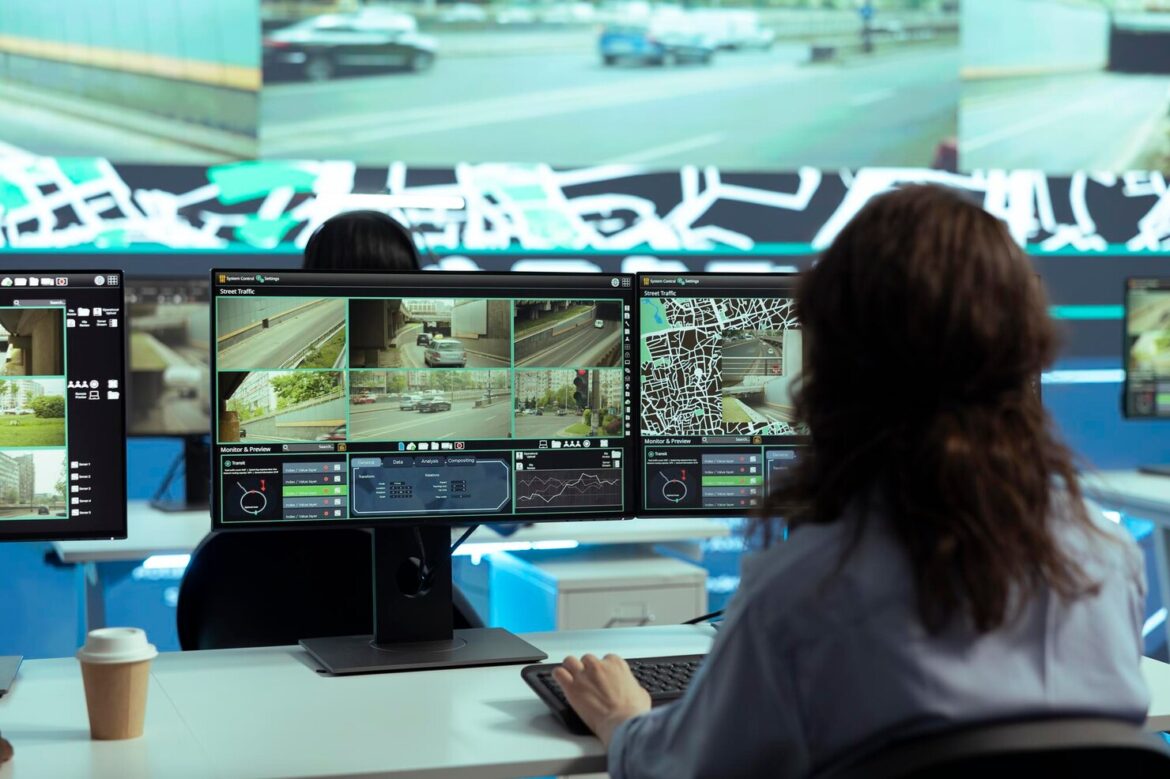
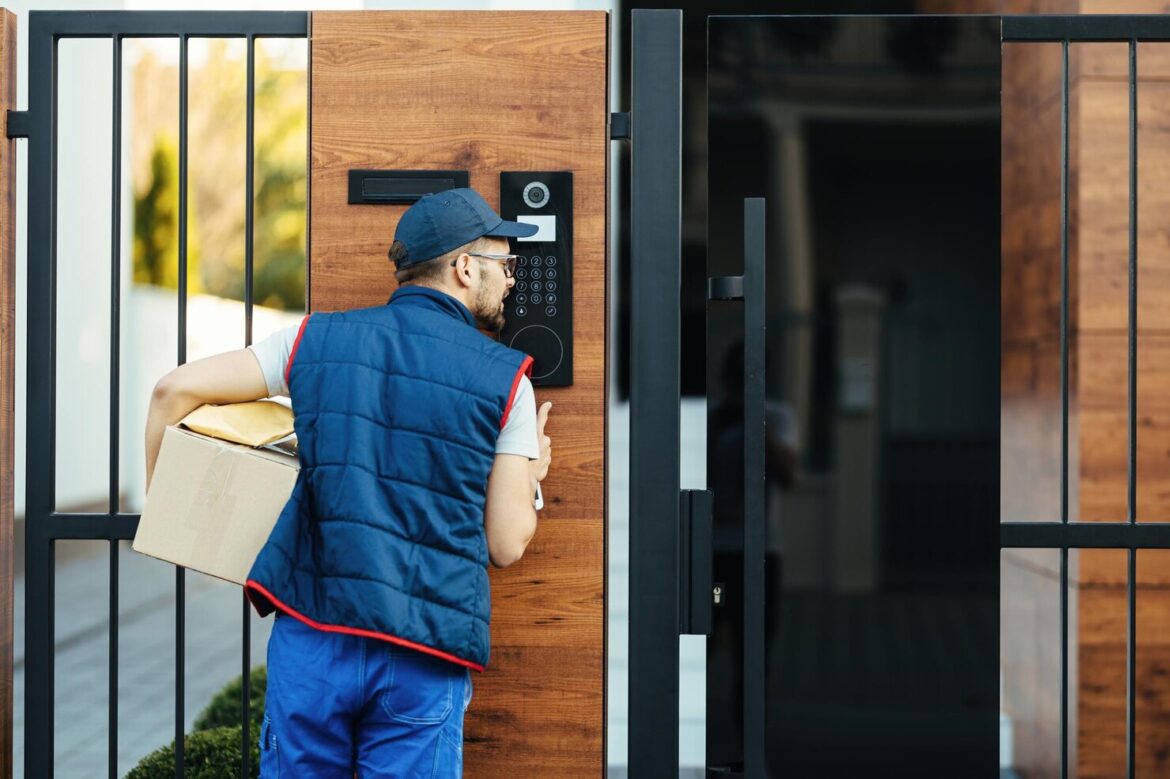
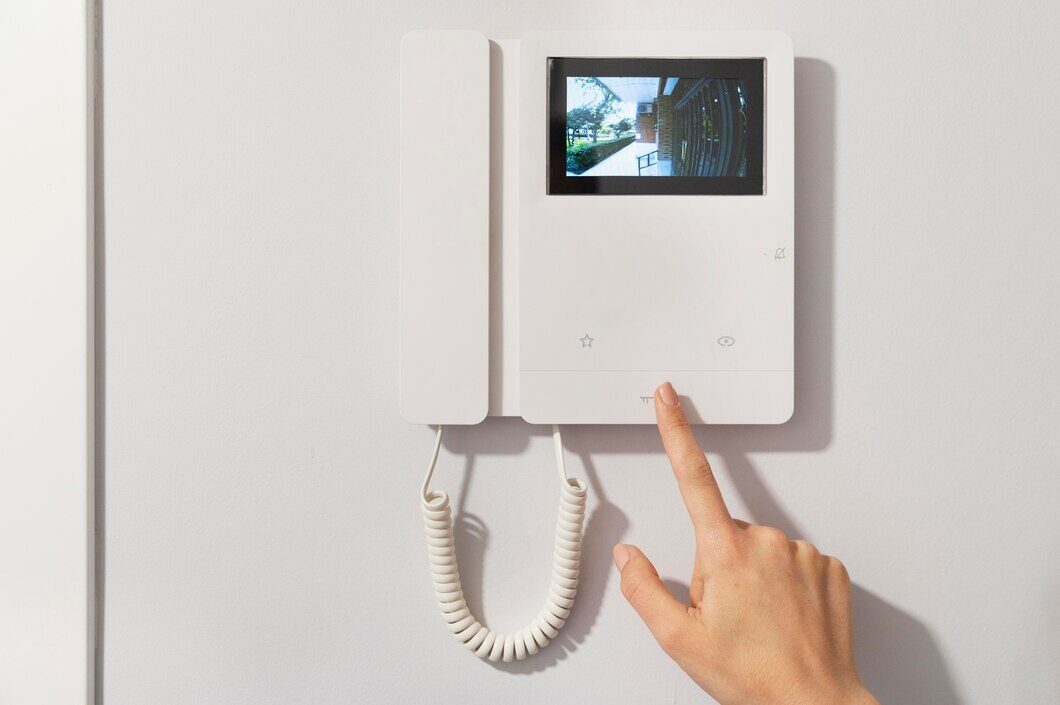
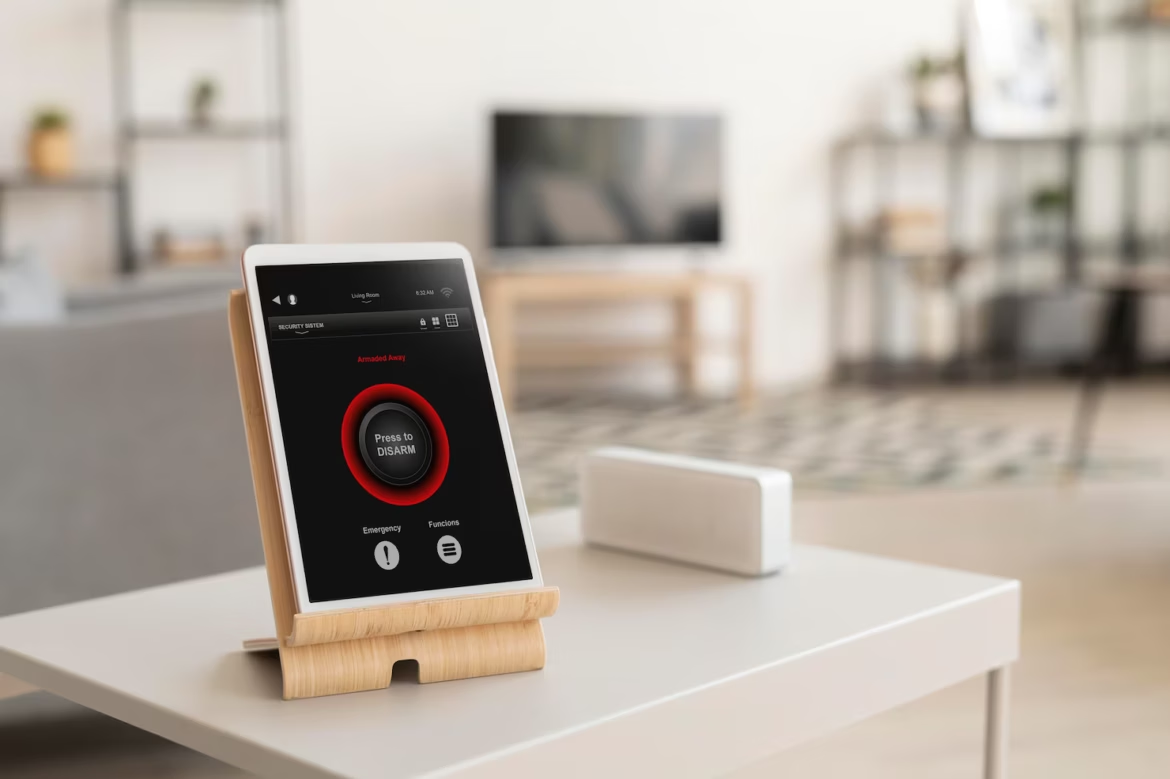
Home automation connects cameras, sensors, and smart locks into one system. Families monitor their property in real time from any location. Notifications arrive instantly if unusual activity is detected. Smart locks allow doors to be secured remotely.

Parents no longer worry about lost keys or forgotten locks. Security becomes proactive rather than reactive, offering constant peace of mind.

Entertainment Simplified with Audio and Video Distribution System

Entertainment should bring joy, but outdated setups often do the opposite. Multiple remotes, tangled wires, and poor sound can quickly turn movie night into frustration. Instead of relaxing, families spend time adjusting controls, fixing connections, or dealing with uneven quality. These small hassles add up, reducing the fun and flow of shared moments.

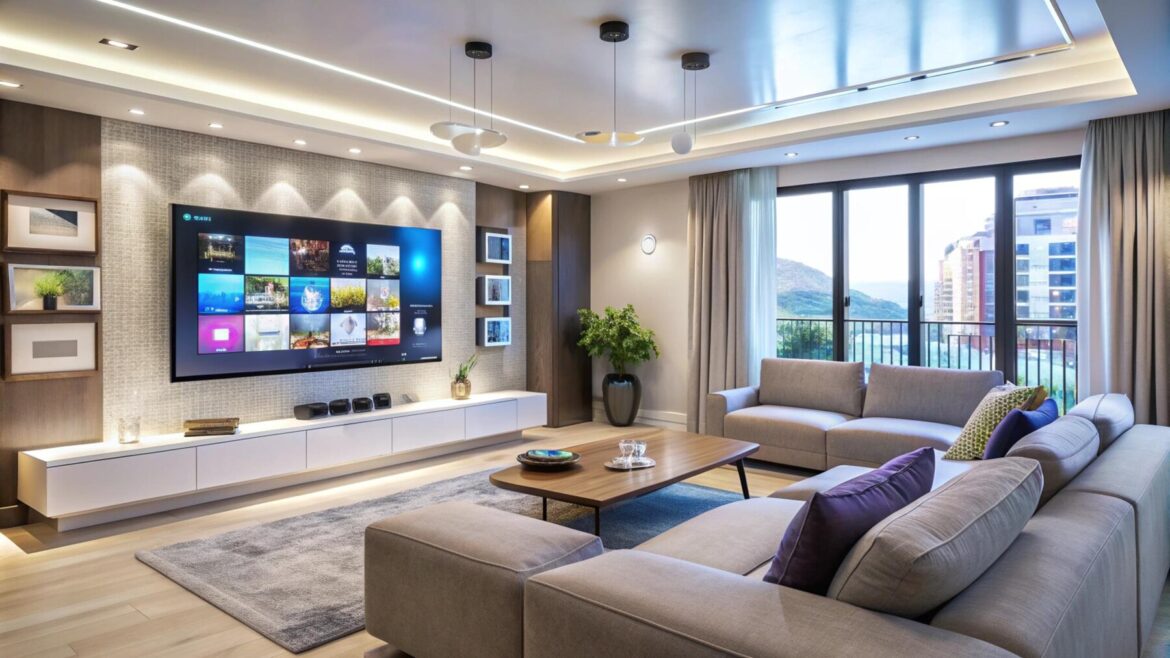
An audio and video distribution system changes the entire experience. With one simple platform, homeowners can stream movies, play music, or set up games across multiple rooms without extra effort. High quality speakers deliver crisp, balanced sound, while video stays sharp and uninterrupted. Movie nights feel truly cinematic, music fills every corner smoothly, and game setups take seconds. Families enjoy immersive, consistent entertainment without the stress of constant fixes. Instead of juggling devices, they simply sit back and enjoy time together.

Control Natural Light with Motorized Shades

Lighting plays a key role in mood and efficiency. Manual blinds are often left open or closed at the wrong times, wasting energy and reducing comfort.

Motorized shades bring precision to natural light control. They adjust automatically based on schedules or sunlight. During hot afternoons, shades were lowered to keep rooms cool. In the evening, they rise to create a welcoming atmosphere.

Homeowners also enjoy increased privacy without needing to walk from room to room. Automated shades improve both convenience and energy savings.

Saving Energy Every Day

Rising energy costs are a challenge for many households. Small mistakes like leaving lights on or running the heating too long create big bills.
Home automation solves this problem. Smart thermostats adjust temperatures only when needed. Lights turn off when rooms are empty. Shades work with climate systems to reduce heating and cooling loads.

Together, these features cut costs significantly. Families notice savings every month while also reducing their environmental impact. Comfort never comes at the cost of efficiency.

Stronger Protection with Access Control Systems

The Frustration of Outdated Entertainment Setups

Family entertainment often loses its charm when outdated systems get in the way. Multiple remotes, tangled wires, and uneven sound quality disrupt the mood. Instead of enjoying the moment, families waste time adjusting settings or fixing connections. These ongoing struggles create stress and frustration, making what should be fun feel like another household chore.

The Simplicity of an Audio and Video Distribution System

An audio and video distribution system solves these problems with one streamlined platform. Movies, music, and games can be enjoyed across multiple rooms without confusion. High quality speakers deliver crisp, even sound, while video remains sharp and consistent. With fewer devices and no clutter, families enjoy convenience, simplicity, and a seamless flow in their entertainment experiences.

Immersive Entertainment Without the Hassle

Modern entertainment should feel smooth and immersive, not stressful. With the right system, movie nights feel cinematic, music fills every corner effortlessly, and game setups take only seconds. Families no longer waste time juggling controls or adjusting settings. Instead, they experience comfort, connection, and fun, sharing moments that are truly enjoyable and stress free.

Remote Access Anytime, Anywhere

Families today lead busy lives, often spending long hours away from home for work, school, or travel. Traditional home systems create challenges because they leave homeowners disconnected and uncertain about what’s happening inside their house. Did someone forget to turn off the lights? Is the thermostat wasting energy while no one is home? Was the front door left unlocked? These small concerns add up, causing stress and unnecessary worry throughout the day.

Remote access completely changes this experience by offering control and awareness anytime, anywhere. With a smartphone or tablet, homeowners can adjust thermostats to save energy, turn lights on or off, and lock doors instantly. Live camera feeds allow them to check in with a glance, while real time alerts notify them immediately if unusual activity occurs.

Whether at the office, on vacation, or simply stuck in traffic, remote access ensures homeowners always stay connected to their property. This flexibility not only saves time but also creates confidence and peace of mind. Instead of wondering or worrying, families know their home is safe, efficient, and under control at all times. It brings convenience, reduces stress, and makes daily living more manageable in every way.

Professional Installation That Works Right the First Time

Do it yourself devices can be appealing, but they often fall short. Compatibility issues, poor setup, and unreliable performance lead to frustration.
Professional installation ensures reliability. Experts design systems that match a home’s layout and a family’s lifestyle. Wiring, programming, and integration are handled with precision.

Companies like SYNCT also provide ongoing support. If updates or troubleshooting are needed, help is always available. Homeowners gain long term confidence knowing their system is dependable.

Future Proofing Your Home

Technology evolves quickly. A strong automation system ensures homes stay up to date without major changes.

Future upgrades, from new smart devices to advanced integrations, connect seamlessly. Families avoid the expense of replacing entire systems.

Homes with home automation often have higher resale value. Buyers appreciate modern features that provide safety, comfort, and efficiency. Professional installation ensures homes remain attractive for years.

How Home Life Changes with Automation

Before automation, families managed multiple devices. Forgotten lights, unsecured doors, and high energy bills create stress. Entertainment feels complicated, and security remains unreliable.

After automation, the home feels organized and responsive. Daily routines require less effort. Entertainment becomes fun, not frustrating. Safety is reliable, and energy savings are noticeable.

This shift improves daily life. Families spend less time managing their homes and more time enjoying them.

Planning Your Smart Home

Every home has different priorities. Some focus on security, while others value entertainment or energy savings. The right plan addresses all needs.

Start with basics like lighting control and smart thermostats. Add features such as audio and video distribution systems for entertainment. Include access control systems for stronger security.

Work with experts like SYNCT to design a system that fits your lifestyle. Professional planning ensures every feature works together seamlessly.

Conclusion

Home automation is no longer just a luxury; it’s a necessity for modern living. It brings comfort, safety, and efficiency into daily routines while reducing stress and saving time. Families benefit from systems that adjust lighting, climate, and entertainment with ease, all while keeping energy use in check. Security improves with connected devices like cameras and access control systems, giving peace of mind whether at home or away. Entertainment also becomes more enjoyable with seamless audio and video distribution. Most importantly, professional installation ensures reliability and long term support. By choosing trusted experts like SYNCT, homeowners gain systems that adapt to their needs today and continue adding value tomorrow. Smart living starts with the right automation setup.

Ready to simplify your life? Upgrade to smart home automation today. Contact SYNCT to plan and install a system that delivers safety, comfort, and lasting value for your family.
26Sep

Secure Every Corner: Why Professional Security Camera Installation Is a Game Changer

by Websites Team

Starting with home or business security often feels overwhelming. You want protection, peace of mind, and safety for the people and property you value most. The challenge is that many think installing cameras is a quick do it yourself job. At first, it might seem simple, but soon problems begin to surface. Poor camera placement, weak wiring, and limited coverage create blind spots that put your security at risk. When those mistakes happen, fixing them costs more time and leaves you unprotected when it matters most. That constant worry can feel heavy, and no one wants to live with the thought that their system may fail in a crisis.

This is where professional security camera installation makes a huge difference. Experts plan the setup, select the right equipment, and ensure everything works together seamlessly. With professional help, you get full coverage, strong connections, and reliable monitoring without the trial and error. Instead of wondering if your system is good enough, you gain confidence that it is ready for anything. That peace of mind lasts for years, making professional installation not just an option, but the smarter, safer choice.

The Growing Need for Smarter Security

Today’s world is not the same as it was years ago. Break ins, theft, and property crimes are a reality in many neighborhoods and business districts. Families want to feel safe at home, and business owners want to protect assets, employees, and customers. This rising need for security has made home security surveillance cameras more important than ever. They act as both a deterrent and a record of what happens around your property. When paired with professional installation, these cameras stop being just gadgets on walls and become powerful tools that keep you connected, alert, and in control.

Why DIY Isn’t Always the Best Option

It’s easy to think security cameras are a quick DIY project, but the truth is far different. A complete system needs more than just mounting cameras; it requires precision, knowledge, and planning. That’s where professional security camera installation makes the real difference.

  • Correct Camera Angles
    Professionals know the exact angles needed to cover large spaces, entrances, and hidden corners. Poor DIY placement often leaves blind spots that intruders can exploit. With expert installation, you can trust that no area is overlooked.
  • Proper Wiring and Connections
    Wiring may look simple, but mistakes can cause weak signals or even system failures. Trained installers use secure methods to prevent interference and keep connections stable. This ensures your cameras work reliably day and night.
  • Dependable Storage Setup
    A security system is only as good as its storage. Without proper setup, you risk losing critical footage when it matters most. Professionals configure storage solutions that keep recordings safe and easy to access when needed.
  • Seamless Integration
    Today’s cameras often connect with other smart devices, alarms, or mobile apps. Installers ensure everything runs smoothly without glitches. This means you can manage your system from anywhere with full confidence.
  • Peace of Mind and Time Savings
    Instead of struggling through trial and error, professionals deliver a working solution from day one. You avoid costly mistakes and wasted hours. Most importantly, you gain peace of mind knowing your system will protect you when emergencies happen.

Complete Coverage With Smart Placement

One of the biggest challenges in setting up cameras is blind spots. Place one too high, and you miss details. Place another too low, and it’s blocked by cars or fences. Professional installers study your property’s layout carefully before installing. They ensure home security surveillance cameras cover entrances, exits, hallways, and other vulnerable areas. This planning makes sure no corner is left unprotected. When every angle is covered, you feel confident knowing nothing slips past unnoticed. That’s the difference between random placement and a thought out system designed to secure every inch of your property.

The Power of Real Time Monitoring

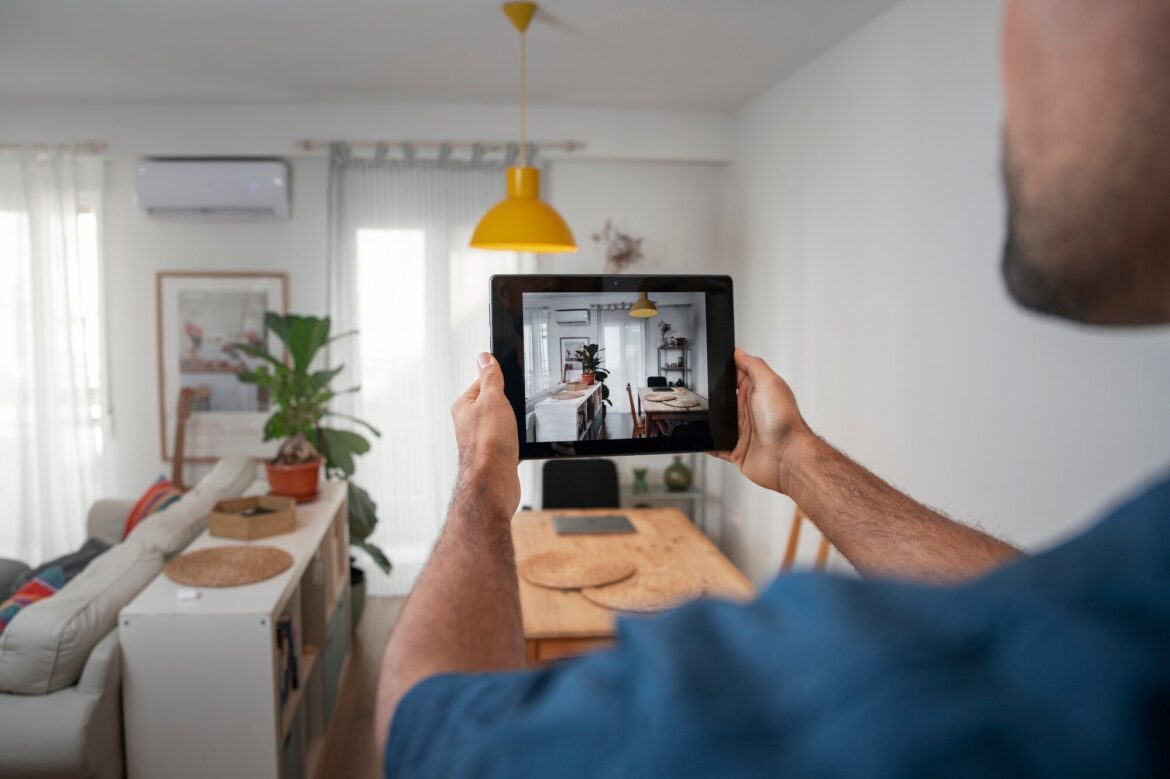
Security is not only about recording footage, it’s about staying connected. With modern systems, you can view live feeds directly from your phone, tablet, or computer. This makes professional security camera installation even more valuable. Imagine checking on your kids at home while you’re at work or monitoring your shop after hours. Real time monitoring gives you peace of mind wherever you are. Professional installers also make sure the system connects properly to your network and is protected against interruptions. That way, you never lose access when it matters most.

Integration With Smart Home Systems

  • Modern life includes many smart devices, from thermostats to smart locks.
  • When cameras connect with these systems, you gain more control over your home.
  • A doorbell camera can trigger smart lights to switch on when someone approaches.
  • Motion alerts from home security surveillance cameras can signal your smart lock to secure doors automatically.
  • Professional installers make sure everything integrates smoothly without glitches or failed connections.
  • With this setup, cameras do more than record; they work with your devices to create a safer environment.

Protecting Businesses Day and Night

For business owners, security is not just about protection; it’s about trust. Employees want to feel safe at work, and customers need to know they are in a secure environment. Professional security camera installation provides round the clock monitoring, helping to reduce theft, monitor employee safety, and protect sensitive areas. High definition cameras make it easier to identify faces, track deliveries, and resolve disputes. For retail spaces, warehouses, and offices, this creates a safer and more reliable workplace. Businesses that invest in strong security send a clear message: safety is a top priority.

Backup Systems That Save the Day

Technology is reliable most of the time, but it can fail when you least expect it. That’s why backup camera installation is essential. Backup systems ensure your cameras keep recording even if there’s a power outage or technical issue. This extra layer of protection means you never miss a critical moment. Professional installers design backup setups that include battery power and cloud storage options, so your system keeps working no matter what happens. This kind of planning is what separates a basic setup from a system built to last through any challenge.

The Advantage of Professional Expertise

Why Professional Installation Matters

Anyone can mount a camera, but only trained professionals know how to make a system truly effective. Professional installers test your cameras, adjust settings, and make sure the network is strong enough for real time monitoring.

Complete Solutions and Peace of Mind

They also teach you how to use the system so you feel in control. This level of service is what makes security camera installation worth the investment. Instead of dealing with trial and error, you get a complete solution from day one. That peace of mind is priceless when it comes to protecting the people and property you care about most.

Long Term Savings and Reliability

Some people avoid professional installation because they want to save money. Ironically, skipping expert help often leads to higher costs later. Poorly installed systems may require repairs, replacement parts, or even a complete reinstallation. Professional installation ensures everything is done correctly the first time, reducing the chance of breakdowns. When home security surveillance cameras run smoothly for years, you save money in the long run. It’s not just an expense, it’s an investment in security that pays back with reliable performance and fewer headaches over time.

Peace of Mind You Can Count On

At the end of the day, security is about feeling safe. Whether it’s your home or your business, you deserve confidence that your property is protected. Professional security camera installation gives you that peace of mind. From smart placement and reliable equipment to backup systems and real time monitoring, every detail is handled with care. And when you choose a trusted company like Synct, you know your safety is in expert hands. With security taken care of, you can focus on what matters most, living your life with comfort and peace.

Conclusion

Professional security camera installation is much more than setting up a few devices; it’s about creating a dependable shield around your home or business. When you choose professional help, you get more than equipment. You benefit from expert planning, smart placement, and ongoing support that make the entire system stronger. Every angle is carefully covered, ensuring there are no blind spots or weak areas where threats could go unnoticed. A properly designed system doesn’t just work on good days; it stays reliable even during power outages, network issues, or unexpected situations. That means you’re not only installing cameras, you’re investing in lasting protection. Instead of second guessing whether your system is enough, you gain confidence knowing your property is secure day and night. Choosing professional installation is really about choosing safety, reliability, and long term peace of mind that grows with you for years to come.

Ready to make your property safer? Contact Synct today and let experts secure every corner of your home or business with trusted installation.

19Sep

Synct Smart Home Security Made Simple: Cameras, Thermostats, and Total Control

by Websites Team

Keeping your home safe and comfortable has never been easier. With Synct smart home security, you can monitor, control, and protect your property from anywhere. From security camera installation to smart thermostats, these systems integrate convenience with safety.

Modern homeowners want more than just alarms. They want a connected ecosystem that communicates, alerts, and adapts to their lifestyle. With Synct smart home devices, you can manage lighting, locks, cameras, and temperature, all from your smartphone or tablet.

This guide explains how to choose, install, and maintain your Synct smart home system. You’ll learn why smart home security is essential, how cameras and thermostats improve safety and efficiency, and why professional installation matters.

Why Smart Home Security Is Essential

Home security today goes beyond simple locks or alarms. Synct smart home security systems provide:

  • Real time monitoring of every entrance and critical area
  • Remote access to cameras, locks, and sensors
  • Alerts and notifications for unusual activity
  • Automated routines that simulate occupancy

Smart devices not only protect your home but also add value. Buyers often seek homes with modern, connected features.
By investing in Synct smart home security, you reduce risks, improve response times, and gain peace of mind.

Security Camera Installation Protect Every Corner

Proper security camera installation is critical for effective surveillance. Synct cameras monitor entrances, backyards, garages, and common areas.

AI enabled cameras detect motion, differentiate humans from pets, and alert you in real time. Night vision ensures visibility even in low light. Wireless cameras are flexible for any layout, while wired systems provide stability for larger properties.

Professional placement ensures no blind spots. Cameras integrate with your smartphone, allowing live monitoring and instant alerts. Synct makes your home safer while keeping the system simple and manageable.

Smart Thermostats Efficiency and Comfort

A smart thermostat goes beyond temperature control. It learns your daily habits and adjusts automatically. When the house is empty, it reduces energy use.

These devices save money on utility bills while maintaining comfort. Remote control allows adjustments from anywhere, whether you’re at work or traveling. Integration with security systems also allows routines that simulate presence, adding an extra layer of safety.

Smart thermostats paired with other Synct smart devices enhance overall home automation. Lighting, shades, and cameras work together to create convenience and energy efficiency.

AI Based Cameras and Motion Detection

AI based cameras add intelligence to your Synct smart home security setup. Unlike traditional cameras, they analyze movement in real time, reducing false alarms.

Features include:

  • Human and pet detection
  • Facial recognition
  • Integration with alarms and notifications

You can respond to incidents immediately, whether it’s a visitor at the door or unusual movement in the yard. Real time alerts help prevent break ins and provide valuable evidence if needed.

Access Control and Smart Locks

Access control enhances safety while simplifying daily routines. Synct smart locks allow entry via biometrics, keycards, or mobile credentials.

You can grant temporary access for guests, delivery personnel, or service providers. Traditional keys are no longer necessary, reducing risk. Combining locks with cameras gives complete visibility and control over who enters your home.

Automation ensures your doors lock automatically at night or when the house is empty. Remote access provides peace of mind and convenience.

Smart Lighting Integration

Smart lighting improves security and energy efficiency. Motion sensor lights deter intruders and illuminate key areas automatically.

Scheduled lighting simulates occupancy, adding an extra layer of protection. Remote control from your smartphone allows adjustments from anywhere. Integrating lights with cameras ensures enhanced visibility and security at night.

Audio/Video and Home Theater Integration

Modern homes now seamlessly combine entertainment with security, offering both convenience and peace of mind. Synct smart AV systems can broadcast real time alerts from cameras or alarms directly through your speakers and screens, keeping you informed without constantly checking your phone. These systems provide high quality audio and video, creating an immersive experience for movies, music, or notifications while maintaining top notch security awareness. Additionally, you can control your home’s entertainment and security features from a single device, customize alerts to focus on what matters most, and monitor activity remotely from anywhere. This integration ensures your home stays safe, connected, and enjoyable at all times.

Motorized Shades for Privacy and Safety

Motorized shades are a smart addition to any modern home, enhancing privacy while strengthening overall security. By scheduling shades to open or close at specific times, you can prevent outsiders from seeing inside and maintain better energy efficiency throughout the day. Even when you’re away, automation ensures your home appears occupied, deterring potential intruders. When combined with Synct security cameras and smart home systems, motorized shades become part of a fully integrated safety and convenience solution. This integration allows you to control light, monitor activity, and secure your home effortlessly, all from your smartphone or tablet, giving you peace of mind and a higher level of comfort every day.

Choosing the Right Smart Home Security System

When selecting a system, consider:

  • Size and layout of your home
  • Devices needed: cameras, thermostats, locks
  • Integration with mobile apps
  • Professional installation support

A system designed to communicate seamlessly ensures all devices work together efficiently, maximizing safety and convenience. Synct specializes in custom solutions for any home size or layout.

Professional Installation vs. DIY

While DIY installation of smart home devices is an option, professional security camera installation ensures complete and optimal coverage of your property. Certified experts carefully plan camera placement, configure sensors, locks, and smart thermostats, and integrate all devices for seamless functionality. Professional setup minimizes errors, eliminates blind spots, and guarantees that mobile app integration works smoothly, giving you full control from anywhere. Additionally, hiring professionals saves valuable time, prevents common troubleshooting frustrations, and ensures your system performs reliably from day one. This approach not only enhances security but also maximizes convenience and peace of mind for every homeowner.

Maintenance and Updates

Smart devices require periodic firmware and software updates. Routine checks ensure cameras, locks, and thermostats remain fully functional.
Maintenance keeps systems secure, prevents malfunctions, and extends device lifespan. Proper upkeep ensures your Synct smart home continues protecting your family reliably.

Remote Monitoring and Alerts

Remote monitoring allows homeowners to control devices and receive alerts instantly. Cameras, thermostats, and access controls feed live data to your smartphone.

Whether you are traveling, at work, or in another room, you can monitor activity, adjust temperatures, and control lighting. Remote access ensures total control of your home from anywhere.

Daily Integration and Convenience

Synct smart home security fits seamlessly into daily routines. You can monitor deliveries, check on pets, or adjust lighting and temperature easily.
Automation ensures safety and efficiency without constant manual effort. Scheduling devices for specific times increases comfort and reduces energy usage.

Conclusion

Investing in Synct smart home security ensures safety, comfort, and convenience. Combining cameras, smart thermostats, access control, and automation creates a reliable ecosystem. Professional installation and maintenance maximize performance. Protect your home today while enjoying peace of mind and effortless control.

Upgrade your home with Synct smart home security today. Schedule professional security camera installation and integrate a smart thermostat. Protect your family, save energy, and control your home anytime.

FAQs

What is smart home security?

Smart home security uses cameras, sensors, and alarms to protect your home. You can monitor it remotely. Synct keeps your home safe and secure.

How does a smart thermostat work with security systems?

A smart thermostat adjusts the temperature automatically. It saves energy when no one is home. It can connect to your Synct security system.

Do I need professional security camera installation?

Professional installation ensures cameras are placed correctly. It avoids blind spots. Synct integrates everything seamlessly.

Can I monitor my smart home while away?

Yes, you can access cameras from your phone. You can control locks and lights remotely. Alerts notify you of any issues immediately.

Are smart home security systems compatible with multiple devices?

Yes, they work with cameras, locks, and lights. Smart thermostats can be added too. Everything runs together in one Synct system.

10Sep

A Smarter Way to Shine Why Smart Lighting is the Key to Home Automation

by Websites Team

In today’s fast-paced world, technology continues to make our lives easier, and home automation is no exception. One of the most popular advancements in this space is smart lighting.

Imagine being able to control your home’s lights with a simple tap on your phone or even voice commands. It’s a convenience that’s not only cool but practical, too. In this blog, we’ll explore why smart lighting is essential for any modern home and how it plays a crucial role in home automation systems.

What is Smart Lighting?

Smart lighting refers to a lighting system that allows homeowners to control lights remotely through an app, voice commands, or even automation settings. Unlike traditional lighting, which relies on manual switches, smart lights can be customized and scheduled to fit your needs. These systems can adjust the brightness, color, and timing of your lights, offering flexibility and control.

Types of Smart Lights

  • Smart bulbs
  • Smart switches and dimmers
  • Motion-sensing lights
  • LED strips

Smart home lighting goes beyond basic control. It can sync with other smart devices like thermostats, security systems, and even entertainment setups. This integration creates a seamless experience that makes managing your home simpler and more efficient.

How Smart Lighting Fits into Home Automation

Home automation is all about creating a connected, efficient home where various systems work together seamlessly. Smart lighting plays a major role in this ecosystem, allowing your lights to interact with other smart devices. For example, when your security system detects motion, the lights can automatically turn on, providing extra visibility and discouraging intruders.

Key Integrations

  • Motion sensors
  • Thermostats
  • Security cameras
  • Smart door locks

Additionally, lighting can adjust based on the time of day. For instance, lights can automatically dim in the evening or brighten in the morning, mimicking natural light patterns. This kind of customization is possible because of the sensors, timers, and integration with other home automation tools.

Energy Efficiency and Cost Savings with Smart Lights

One of the key benefits is its energy efficiency. Traditional lighting systems often waste energy by staying on when they’re not needed. With smart lights, you can set up schedules to turn lights off when rooms aren’t in use. Some systems even use motion sensors to turn lights on only when someone is present, ensuring no energy is wasted.

  • Use of energy-efficient LED bulbs
  • Automatic schedules to turn off unused lights
  • Motion sensors for occupancy-based lighting
  • Dimming options to reduce energy consumption

In addition, many smart bulbs use LED technology, which consumes much less energy than traditional incandescent bulbs. These bulbs also have a longer lifespan, reducing the frequency of replacements. Over time, the energy savings from using smart lights can significantly lower your electricity bills.

Creating the Perfect Ambiance

Smart lighting isn’t just about functionality; it’s also about setting the right mood in your home. Imagine adjusting the lighting to suit different occasions. Whether you’re hosting a dinner party, watching a movie, or reading a book, lighting lets you create the perfect atmosphere.

Ways to Set the Right Ambiance

  • Adjustable color temperatures (warm for relaxation, cool for focus)
  • Choose from millions of colors to match decor or mood
  • Pre-set scenes (reading, party mode, movie night, etc.)

Many smart lights offer adjustable color temperatures, allowing you to set warm tones for relaxation or cooler hues for tasks that require focus. Additionally, some lighting systems allow you to choose from millions of colors, making it easy to match your lights with your home’s decor or a specific mood.

Smart Lighting for Enhanced Security

Smart lighting also plays an important role in improving the security of your home. With traditional lighting systems, lights are often left on at night to make it seem like someone is home. But with smart lights, you can schedule your lights to turn on and off at random times, simulating the presence of someone inside. This makes it more difficult for burglars to tell whether you’re home or not.

How Lighting Improves Security

  • Randomized lighting schedules to mimic presence
  • Integration with security cameras for enhanced visibility
  • Motion-sensing lights that turn on during suspicious activity
  • Automatic lighting when doors are unlocked or opened

Additionally, lighting can integrate with your home security system. For example, when a motion sensor detects activity in your yard, the lights can automatically brighten, providing better visibility for both you and security cameras.

How to Install Smart Lighting in Your Home

Installing lighting in your home is easier than you might think. You don’t need to replace all your existing bulbs right away. Start with a few smart bulbs in key areas like the living room or kitchen. These can be controlled with an app on your phone or through a voice assistant like Amazon Alexa or Google Assistant.

Steps to Install

  1. Choose your system. Select smart bulbs or switches
  2. Install the bulbs. Screw in smart bulbs or replace switches
  3. Connect to your app. Link your lighting system to a smartphone app
  4. Set up schedules and automations. Program lights based on your preferences

If you’re looking for more extensive control, you can install a smart lighting hub. A hub acts as the central control point for all your lighting devices, allowing you to manage them from one place. Many lighting systems also offer integrations with other smart home devices, letting you create scenes and automations that control multiple devices at once.

Choosing the Right Smart Lighting System for Your Home

When selecting a lighting system, there are a few things to consider. First, decide whether you want to use a standalone smart bulb or a more integrated system with smart switches and dimmers. The type of control you want is also important; some systems work best with apps, while others rely on voice commands.

Things to Consider When Choosing Lighting

  • Control method – App, voice, or hub-based control
  • Compatibility – Ensure it works with other smart home devices
  • Energy efficiency – Look for LED options and energy-saving features
  • Price – Choose a system that fits your budget

Next, consider compatibility with your existing home automation setup. If you already have smart home devices like thermostats or security cameras, you’ll want a lighting system that can easily integrate with them.

Lastly, check the energy-saving features of the system. Some smart lights come with features like energy usage tracking, helping you monitor your consumption and make adjustments to save even more.

The Future of Smart Lighting and Home Automation

The future of lighting looks promising. With advancements in technology, smart lighting systems are becoming more intuitive and easier to control. In the coming years, we can expect even more energy-efficient bulbs, deeper integration with other smart home devices, and features that further personalize lighting for your needs.

For example, some lighting systems are now incorporating circadian rhythms, adjusting the color and intensity of the light throughout the day to match natural daylight. This helps improve sleep patterns and overall well-being.

Conclusion

Smart lighting is a vital component of any home automation system. It not only brings convenience and efficiency but also improves the security and ambiance of your home. Whether you’re looking to save on energy costs, create the perfect atmosphere, or integrate your lighting with other smart home devices, lighting offers the solution.

As technology continues to evolve, the possibilities for smart lighting are endless. Embrace the future of home automation today and enjoy the many benefits of lighting!

Ready to brighten up your home with smart lights? Start small and gradually upgrade to a fully automated lighting system. Experience the perfect balance of convenience, energy savings, and personalized ambiance. Make your home smarter today!

FAQs

Q1: How does smart lighting save energy?

Smart lighting saves energy by allowing you to control when lights turn on and off, dimming automatically, and using energy-efficient LED bulbs that consume less power.

Q2: Can I control my smart lights remotely?

Yes, smart lights can be controlled remotely via a smartphone app or voice assistant, allowing you to turn lights on or off from anywhere.

Q3: Are smart lights compatible with other smart home devices?

Most smart lights are designed to integrate seamlessly with other smart home devices, like thermostats, security systems, and entertainment systems.

Q4: How do I install smart lighting in my home?

Smart lighting is easy to install. Simply replace traditional bulbs with smart bulbs or add a smart switch. Many systems require a hub or app for control.

Q5: Can smart lighting improve home security?

Yes, smart lighting can enhance security by simulating your presence when you’re away and integrating with security systems to provide better visibility during motion detection events.

2Sep

Affordable Security Camera Monitors That Don’t Compromise on Quality

by Websites Team

Home and business security is more important than ever. Protecting your property and loved ones requires reliable tools that you can trust. A security camera with a monitor system offers real-time surveillance, helping you stay informed and in control at all times.

These systems allow you to watch live footage and review recorded videos instantly. This capability can deter crime, identify potential threats early, and provide crucial evidence if needed. Therefore, having a security camera monitor is an essential part of ensuring safety and peace of mind for any property owner.

There is a common misconception that affordable security camera monitors lack quality or reliability. This is far from the truth. Many budget-friendly options available today provide clear, high-definition images, straightforward installation, and useful features that make them dependable security tools. You don’t need to spend a fortune to have a solid system protecting your home or business.

Understanding Security Camera Monitors

A monitor is a display device that shows live or recorded footage captured by security cameras. It allows you to watch multiple camera feeds all in one place. This centralized viewing helps you keep an eye on your property without needing to check each camera separately, making surveillance easier and more efficient.

The monitor connects directly or wirelessly to security cameras. The cameras capture video and transmit the signal to the monitor. This setup allows you to view events as they happen in real-time or review past recordings when necessary. Some systems also allow users to control cameras remotely through the monitor, such as zooming in on a particular area or changing the camera’s viewing angle.

Several types of security monitors are available to suit different needs:

  • Wired monitors: These devices connect to cameras using cables. This connection provides a stable and reliable video signal but often requires professional installation. Wired systems are known for their consistent performance, especially in fixed setups.
  • Wireless monitors: These receive video signals over Wi-Fi or radio frequencies. They offer greater flexibility and easier installation, especially when running cables is difficult. However, wireless systems can sometimes face interference or connectivity issues depending on the environment.
  • Standalone monitors: These are devices that work independently and display video without requiring additional equipment. They are ideal for simple setups, such as small homes or single-room monitoring.
  • Integrated systems: These combine cameras, monitors, and sometimes recording devices into a complete package. Integrated systems often come with mobile app support, enabling remote access and control from anywhere.

Why Choose an Affordable Security Camera Monitor?

Many people hesitate to invest in a monitoring system because of budget concerns. While it is important to be financially prudent, security is a priority that should not be compromised. Affordable options allow you to protect your home or business without breaking the bank.

Opting for a budget-friendly security camera with a monitor system does not mean you must sacrifice important features. Many affordable monitors provide clear video quality, easy setup, and essential security functions. For example, it is now common to find models that offer night vision capabilities, motion detection alerts, and remote viewing options at reasonable prices.

These affordable camera security monitors serve a wide range of users. Small businesses can secure their premises without requiring a large investment. Homeowners can keep their property and family safe without spending excessively. Renters can choose flexible, non-invasive systems that are easy to install and can move with them when they relocate.

Key Features to Look for in Quality Yet Affordable Monitors

Clear Resolution and Image Quality

A sharp video image is critical for identifying people, objects, and details during surveillance. Look for camera monitors that support at least 1080p resolution. This level of clarity ensures you get crisp, clear footage, both during the day and at night.

Real-Time Monitoring and Recording

Select systems that offer live viewing along with continuous recording. Real-time monitoring allows for immediate response to any event, while recording capabilities let you review past footage when necessary, providing valuable documentation.

Night Vision and Motion Detection

Security needs do not end when daylight fades. Affordable security cameras with monitor systems often include infrared night vision, allowing cameras to capture clear images in low-light or no-light conditions. Motion detection technology alerts you only when there is activity, helping reduce unnecessary alerts and conserving storage.

Easy Installation and User-Friendly Controls

Choose a system designed with ease of installation in mind. Whether it’s wired or wireless, setting up your cameras and monitor should be straightforward. Intuitive controls and clear menus make managing your security settings simple and hassle-free.

Flexible Connectivity Options

Quality camera security monitors offer multiple connectivity options such as Wi-Fi, Ethernet, or both. Many include mobile app integration so you can check your cameras remotely from your smartphone or tablet. These features add convenience and allow you to stay connected to your security system no matter where you are.

Durable and Weather-Resistant Designs

For outdoor use, both monitors and cameras must withstand harsh weather conditions. Look for products rated for water and dust resistance to ensure long-lasting performance, even in tough environments. Durable materials and solid build quality help protect your investment.

Top Affordable Security Camera Monitor Brands and Models

Wyze Cam v3 with Monitor

  • Pros: Offers clear 1080p video, color night vision, easy setup, and free cloud storage.
  • Cons: Monitor sold separately; limited professional support.
  • Standout: Excellent value for both indoor and outdoor use with high-quality video.

ZOSI 8-Channel Security Camera System

  • Pros: Comes with 4 cameras and an 8-inch monitor, features night vision and motion alerts.
  • Cons: Wired setup may require professional installation.
  • Standout: Complete kit ideal for beginners, backed by warranty coverage.

ANNKE 1080p HD Wireless Security Camera System

  • Pros: Wireless connection, real-time monitoring via app, good battery life.
  • Cons: Limited range in some areas; occasional app glitches reported.
  • Standout: Convenient wireless design with remote access.

Reolink 4K Security Monitor Kit

  • Pros: Ultra HD 4K resolution, smart motion detection, weatherproof cameras.
  • Cons: Higher price point, but still affordable compared to premium models.
  • Standout: Superior visuals and durable outdoor cameras.

Tips for Getting the Best Value

  • Evaluate reviews and ratings carefully before purchasing a surveillance monitor. Customer feedback provides insights into reliability and performance.
  • Compare specifications against price to ensure you get the best deal. Sometimes spending a little more upfront can lead to better long-term value.
  • Buy from trusted retailers or official brand stores to avoid counterfeit or defective products and to receive proper customer service.
  • Consider bundled packages that include both the security camera with monitor. These kits are often tested for compatibility and can save you money.

Common Myths About Affordable Security Camera Monitors

  • Myth 1: Affordable cameras don’t last long. Many budget models come with quality materials and warranties that ensure durability with proper care.
  • Myth 2: Image quality is always poor. Numerous affordable monitors offer HD video suitable for everyday security needs.
  • Myth 3: No technical support or updates. Some brands provide ongoing software updates and customer support, even at lower price points.

How to Maintain Your Security Camera Monitor System

  • Keep your monitoring device clean and dust-free to maintain clear images. Regularly wipe lenses and screens, and check for dirt buildup.
  • Update your system’s software and firmware regularly through the monitor or app. These updates improve performance, fix bugs, and may add new features.
  • Troubleshoot common issues by restarting devices and checking all connections. Consult your user manual or customer support if problems persist.

Conclusion

Affordable security camera monitors provide reliable protection without overspending. You can enjoy clear images, essential features, and simple installation while staying within budget. Balancing cost with quality lets you secure your home or business effectively.

With the right security camera with monitor system, you can monitor your property anytime, anywhere. Investing wisely in security ensures peace of mind for you and your loved ones.

Explore budget-friendly camera security monitors today and take control of your safety. Don’t wait to protect what matters most.

Secure your home or business now with SYNCT’s affordable security camera monitors. Contact us to find the perfect system that fits your needs and budget!

29Aug

Secure Your Home with Expert Smart Door Lock Installation Services

by Websites Team

Home security is no longer optional. With rising break-ins and lost keys, homeowners want better solutions. Smart door locks offer that and more.
One major benefit is comfort. You control everything from the temperature to the volume. No waiting in lines or dealing with loud strangers.

These locks let you control access, receive alerts, and manage entries without a key. You stay connected, whether you’re home or not.

But installing them on your own can cause problems. That’s why hiring a professional matters. In this blog, we’ll explain why smart door lock installation is the smarter choice and what to expect from expert services.

What Is a Smart Door Lock?

A smart door lock is a keyless lock that you control using an app, keypad, or voice command. It replaces traditional locks with smarter features.

You can create codes, check entry logs, or lock and unlock doors remotely. Some models allow you to manage everything through a mobile app.
These locks often connect with your home automation system. You can control your door along with lights, thermostats, and cameras.

Types of Smart Door Locks

  • Keypad Locks – Use a PIN to enter. Great for families or rental properties where keys can get lost or copied.
  • Fingerprint Locks – Use biometrics for access. These are fast, secure, and work well for frequent users.
  • Bluetooth Locks – Connect to your phone when nearby. They unlock automatically without you doing anything.
  • WiFi Locks – Allow full remote control from anywhere. You can manage them through apps with internet access.

Each type suits different homes and user needs. The right choice depends on how you plan to use it.

Why Traditional Locks Are No Longer Enough

Traditional locks may seem simple, but they don’t meet modern needs. They can be picked or bumped easily. Lost keys lead to lock replacements and delays.

There’s no way to track who enters or leaves. You can’t control them remotely or receive updates.

Smart tech is now common in homes. Smart thermostats, lights, and cameras are everywhere. Smart locks fit naturally into that system. You get safety, control, and convenience in one device.

Where Smart Locks Outperform Traditional Ones

  • Let guests in without being home. You can send a temporary code to a visitor, cleaner, or dog walker. No need for spare keys or waiting around.
  • Track entries and exits in real time. Check who entered your home and when. This helps track family schedules or rental guest activity.
  • Lock and unlock your door from your phone. Forgot to lock the door? Do it from your car or while traveling. You’ll never worry about it again.
  • Get alerts if someone tampers with the lock. Smart locks can detect tampering or forced entry. You get instant alerts and can take action quickly.

Key Benefits of Smart Door Lock Installation

Remote Access and Control

You can manage your door from anywhere. Lock or unlock with your phone while at work or on vacation.

This gives you total control, even when you’re away. It adds safety and convenience to your daily routine.

Real-Time Monitoring and Alerts

Get alerts the moment someone opens or closes your door. You always know what’s happening. You can even receive alerts by email or phone notifications.

Temporary or Scheduled Access

Give guests or workers limited-time codes. No need for physical keys. This is perfect for house cleaners, babysitters, or Airbnb guests. You can cancel access anytime.

Smart Home Integration

Smart locks connect with other systems like lights, thermostats, or cameras. Create routines that simplify daily life. For example, your door can lock, and the lights turn off when you leave.

Energy Efficiency and Convenience

Set your lock to activate at night or when you leave. This saves time and adds security. You won’t forget to lock the door before bed or work.

DIY vs. Professional Smart Door Lock Installation

Pros of DIY

Some users try DIY because it’s cheaper. If you’re tech-savvy and patient, it might work. You can save money, but the tradeoff is time, effort, and risk. Instructions can be unclear or vary by model.

Cons of DIY

Many people install the lock wrong. Poor alignment or missed settings can lead to lock failure. DIY setups often skip full testing. You may not know if your lock is truly secure.

Why Professionals Are Better

Certified installers know what they’re doing. They avoid mistakes, test everything, and offer warranty coverage.
They have experience with different lock types, doors, and network setups. That ensures it’s done right the first time.

More Reasons to Choose Expert Help

  • Cleaner, faster setup – They finish the job without leaving a mess or damaging the door.
  • Correct integration – Your smart lock works with your other devices and apps.
  • Peace of mind – If something goes wrong, you have support and warranty coverage.

What to Expect from a Professional Smart Door Lock Installation Service

Pre-Installation Survey

An expert checks your door, frame, and compatibility. They help you select the right device.
This avoids size or fit issues and ensures smooth installation.

Device Selection Support

Not all locks work on all doors. A technician helps you pick the best match for your home and use. They also explain different features so you can choose based on your needs.

  • Low-budget setup ($1,000–$3,000): Basic projector, soundbar, and blackout curtains.
  • Mid-tier setup ($3,000–$7,000): 4K projector or large TV, 5.1 sound system, AV receiver, recliners.
  • Luxury build ($10,000+): Dolby Atmos system, high-end seating, acoustic treatment, automation, and full decor.

Start with what you can afford. You can always upgrade over time.

Secure Installation Process

They install the device securely and link it to your home network. All hardware is tightened, and settings are configured correctly.

Testing and App Setup

You learn how to use the app, set access codes, and manage users. They test the lock with your phone and make sure it responds instantly.

Post-Install Support

Many services offer updates, routine checks, or phone support if you need help later. If issues arise, you won’t be left figuring things out alone.

How to Choose the Right Smart Door Lock Installer

Licensing and Certification

Check if the installer is licensed and insured. This ensures legal and professional service. Certified technicians follow safety standards and carry liability coverage.

Experience and Reviews

Look for companies with strong reviews and years of experience. Online testimonials and case studies reveal how well they serve customers.

Supported Devices

Some installers work with only certain brands. Make sure they support the device you want. More supported brands often mean more knowledge and flexibility.

Warranties and Service Plans

Ask about after-service care. Good providers offer help if problems come up later. A solid warranty protects your time and money.

Local Availability

Choose someone with a local office or service area. That way, they can reach you quickly if needed. Local providers often respond faster and know your area better.

Why Smart Door Lock Installation Services Are Worth It

A smart door lock improves more than security. It makes life easier. Whether you’re letting in guests, tracking entries, or locking up from miles away, you stay in control.

But getting it installed right is key. A wrong setup can leave your home vulnerable. With expert help, you avoid those risks and get the full benefits of your smart system.

Smart locks are part of a larger move toward connected homes. They give you more control over who enters and when, all through your phone.

Final Thoughts

Smart home security starts at the front door. With professional smart door lock installation, you get peace of mind, full control, and real-time access.

Don’t risk DIY errors that could cost you safety. Let experts do the job right and connect your lock with the rest of your smart devices.

Now is the time to upgrade how you protect your home. Make security easy, reliable, and accessible with expert help.

Looking for a reliable smart door lock installation service? Contact SYNCT today to install smart door lock systems and secure your home with professional care and technology.

22Aug

Turn Your Room into a Home Movie Theater with These Essentials

by Websites Team

Home movie theaters are becoming more popular every year. As streaming services grow, people want better ways to enjoy them. Setting up a movie theater at home is easier than most think.

One major benefit is comfort. You control everything from the temperature to the volume. No waiting in lines or dealing with loud strangers.

Another plus is customization. You can choose your seating, lighting, and screen size. This makes every movie night feel special.

Lastly, a home movie setup adds value to your daily life. Whether it’s a cozy weekend or a family gathering, it brings everyone together.

Choosing the Right Room

Start by picking a space that’s quiet and separate from high-traffic areas. A basement works well due to its natural sound insulation. Spare bedrooms and garages also make great choices.

Avoid open floor plans or rooms with high ceilings. These can create sound issues and unwanted echoes. A rectangular room gives the best acoustics and screen visibility.

Control Light for Better Viewing

Natural light can wash out the screen. For the best picture, block all outside light. Use blackout curtains or shades. If possible, avoid rooms with large windows. Dim lighting also helps create a true cinema feel.

Keep Sound In and Noise Out

Sound control is just as important. Thick carpets reduce echo and absorb noise. You can also add rugs or acoustic panels. Don’t forget the ceiling—soft tiles can help reduce bounce-back sound.

Walls matter too. Add insulation or soundproofing boards if the room is near bedrooms or living spaces. That way, movie nights won’t disturb others in the house.

Essential Equipment for a Home Movie Theater

The right equipment is key to a true movie experience. You don’t need a massive budget, but quality gear makes a difference. Let’s look at the essentials.

A. Display Options

Start with your display. You can choose between a 4K/UHD TV or a projector with a screen. TVs offer brighter images and an easier setup. However, projectors give a larger, theater-like image.

For small rooms, a 55–65 inch TV works well. In larger rooms, use a 100–120 inch projector screen. Always check your viewing distance. Sit at least 1.5 times the screen’s width for comfort.

Also, consider screen type. Fixed-frame screens stay in place and look clean. Motorized screens roll down when needed. Both work well, but motorized screens save space.

B. Sound System

Next comes sound. It brings the movie to life. A 5.1 system includes five speakers and one subwoofer. For deeper sound, go with 7.1 or Dolby Atmos.

Place front speakers on each side of the screen. Rear speakers go behind or to the sides of your seating. The subwoofer sits near a wall for better bass.

If you’re short on space, try a soundbar. Many offer built-in subwoofers and virtual surround sound. They’re simple and still powerful.

C. Receiver & Media Sources

An AV receiver connects everything. It sends video to your screen and audio to your speakers. Choose one that supports 4K, HDR, and HDMI ARC.

You also need content sources. Streaming devices like Apple TV, Roku, or Fire TV Stick work great. They offer access to all major platforms.

Blu-ray players give better video quality and support for high-resolution audio. Game consoles like Xbox and PlayStation can also double as media hubs.

Lighting Setup

Lighting shapes the mood of your theater room. It also affects screen visibility. Use a mix of ambient and task lighting for balance.

Ambient lighting covers the whole room. Task lighting focuses on key areas like seating or walkways. Both are useful during different parts of your viewing experience.

LED strip lights add style without glare. Place them behind the screen, under seats, or along the ceiling. Dimmable recessed lights are another good option. They provide subtle brightness without affecting the picture.

Smart lighting systems offer easy control. With voice commands or a phone app, you can adjust lights before, during, or after a movie. It’s all about comfort and control.

Seating and Comfort

Seating is just as important as screens and speakers. You’ll spend hours sitting, so comfort matters.

Theater-style recliners offer the full experience. Many include features like cup holders, headrests, and footrests. They work great for dedicated rooms.

On the other hand, comfy sofas are perfect for multi-use spaces. They offer more flexibility and space for families.

If space allows, consider adding a second row of seats. Use a raised platform to ensure a clear view for everyone. You can also add extras like USB ports, storage arms, and under-seat lighting for added comfort.

Acoustic Treatments

Good sound depends on the room, not just the speakers. Treat your room to reduce echo and outside noise.

Start with the basics. Use thick carpets or rugs to soften sound reflection. Add acoustic panels to the walls for better clarity.

Insulated doors help block outside noise. You can also use door sweeps and weather stripping.

For serious results, install acoustic fabric panels. These absorb sound and keep your audio crisp. Place them behind the screen, along the sidewalls, or at the back of the room.

You can do this yourself with basic tools and online guides. But for large rooms or complex setups, hiring a pro may save time and give better results.

Smart Home Integration (Optional but Modern)

Today’s smart homes offer more control than ever. You can manage lights, sound, and shades with simple voice commands. It’s fast, convenient, and hands-free.

Platforms like Alexa, Google Home, and Control4 connect your devices. Once linked, they work together seamlessly. You can say “movie time,” and the room adjusts instantly.

App-based control also helps. Use your phone or tablet to dim lights, adjust volume, or lower the shades. No remotes needed, just a few taps.

Decor and Theme Ideas

Style gives your theater its personality. Choose a theme that fits your taste and makes every movie night feel special.

Popular themes include Hollywood glam, Sci-Fi, vintage, and sports. Each offers its unique vibe.

Add custom posters or framed movie art. LED signs and ceiling lights boost the cinema effect. Small touches like a popcorn machine or snack bar make a big difference.

Don’t forget storage. Use hidden shelves or wall-mounted racks to keep things neat.

Budget Considerations

You can build a great theater on nearly any budget. Here’s a quick breakdown:

  • Low-budget setup ($1,000–$3,000): Basic projector, soundbar, and blackout curtains.
  • Mid-tier setup ($3,000–$7,000): 4K projector or large TV, 5.1 sound system, AV receiver, recliners.
  • Luxury build ($10,000+): Dolby Atmos system, high-end seating, acoustic treatment, automation, and full decor.

Start with what you can afford. You can always upgrade over time.

Professional Installation vs DIY

You can install most home theaters yourself. Many systems are plug-and-play and don’t need expert tools.

However, for complex wiring, surround sound calibration, or hidden installs, hiring a pro helps. They ensure everything works safely and looks polished.

DIY saves money and offers flexibility. But for premium results, a skilled technician is often worth the cost.

Maintenance & Upgrades

Keep your gear clean and up to date. Wipe projectors and screens often. Dust speakers and remotes regularly.

Check cables and connections every few months. Replace batteries in remotes and backup systems when needed.

Also, plan for future upgrades. New features like 8K, wireless sound, and AI-powered control are becoming more common. Leave room in your setup for what’s next.

Conclusion

A home movie theater brings comfort, control, and fun into one space. It’s more than just watching movies it’s about the experience.

You decide how it looks, sounds, and feels. From casual movie nights to big game days, your space becomes a personal escape. No traffic. No tickets. Just pure entertainment, anytime you want.

Building one doesn’t have to be expensive or complicated. With the right plan and a bit of creativity, any room can become your favorite one in the house. Whether you’re starting small or planning something premium, taking the first step is what matters most.

Stop wasting energy and comfort. SYNCT your home with the best Why wait in lines? Bring the cinema home. Contact SYNCT now for a custom theater setup.smart thermostats of 2025. Smarter control starts now. Let us help make your home work for you.

12Aug

Best Smart Thermostats for Home Comfort and Efficiency in 2025

by Websites Team

Smart thermostats are advanced devices that control your home’s heating and cooling. They connect to Wi-Fi and allow remote access. You can adjust temperatures using your phone or voice assistant.

In 2025, smart thermostats are more important than ever. Energy costs continue to rise. Many households are seeking ways to reduce their bills without compromising comfort. At the same time, more people care about reducing their carbon footprint.

Home automation is also gaining popularity. Smart devices now offer more control, better comfort, and long-term savings. A smart thermostat fits perfectly into this growing trend.

This guide will help you choose the best smart thermostats for your home. We’ll focus on comfort, features, and energy savings. Whether you’re upgrading or starting fresh, you’ll find clear options that work.

What Is a Smart Thermostat?

A smart thermostat is a device that automatically controls your home’s heating and cooling system. Unlike older models, it connects to your home’s Wi-Fi. This allows you to prevent it from your smartphone or voice assistant.

Traditional thermostats require manual adjustments. Smart thermostats learn your habits over time. They adjust the temperature based on your schedule and preferences. Some even detect when you’re home or away.

Core features include app control, custom schedules, and energy usage reports. Most models allow remote access, so you can make changes from anywhere.

They also offer voice control through systems like Alexa, Google Home, and Apple HomeKit. This adds convenience and helps manage your home’s climate with simple commands.

In short, smart thermostats provide better control, increased comfort, and energy savings.

Why Invest in a Smart Thermostat?

Improve Energy Efficiency

Smart thermostats learn your daily patterns. They adjust heating and cooling based on your schedule. As a result, they reduce energy waste and improve system performance.

Increase Everyday Comfort

These devices adjust temperature in real-time. They respond to weather changes, room usage, and your habits. Some even sense when you’re home or away and change settings accordingly.

Control Your Home from Anywhere

With Wi-Fi connectivity, you can control the thermostat remotely. Whether you’re at work, on vacation, or lying on the couch, your system is always in reach through your phone or tablet.

Save on Monthly Energy Bills

Smart thermostats help you use energy more wisely. Over time, this leads to noticeable savings on your utility bills. Many homeowners see results within the first few months.

Connect with Your Smart Home

They work with popular systems like Alexa, Google Home, and Apple HomeKit. This allows voice commands and smooth integration with other smart devices in your home.

Top Features to Consider in 2025

AI-Based Learning Algorithms

The best models now use AI to learn your schedule. They adjust the temperature automatically to match your comfort needs. Over time, these systems become more accurate. They reduce manual input and help maintain consistent comfort.

Geofencing and Occupancy Sensors

These features track your phone location or room activity. They switch your system to energy-saving mode when you leave and restore comfort when you return.

You don’t have to remember to change settings. The system reacts to your movements without delay.

Multi-Room Temperature Sensors

Extra sensors in other rooms help balance temperatures. This prevents hot or cold spots and ensures better overall comfort.
They’re great for larger homes or rooms that heat and cool unevenly. Everyone enjoys the same level of comfort.

Energy Reports and Eco Modes

Get detailed energy usage stats through the app. Eco modes help you cut down on electricity without affecting your comfort.
You can track past performance and adjust your habits. This supports both cost savings and greener living.

App and Voice Control Compatibility

Smart thermostats work with mobile apps and voice assistants. This gives you instant control from any device in seconds.
Whether you use Alexa, Google Assistant, or Siri, commands are simple and responsive.

Simple Installation and Interface

Most models are easy to set up. Their touchscreens and mobile apps are user-friendly and require little to no learning curve.
Step-by-step instructions or guided apps help even first-time users get started quickly.

V. Best Smart Thermostats in 2025

Choosing the right thermostat can feel overwhelming. Here’s a quick look at five of the best options available in 2025.

Smart Thermostat Comparison Table

ModelKey FeaturesProsCons
Google Nest (3rd Gen)Learning, Energy Reports, Voice ReadySleek design, learns habits, and an easy appExpensive, may need an installer
ecobee with Voice ControlRoom Sensors, Built-in AlexaSmart home-ready, accurate sensorsBulky design
Amazon Smart ThermostatAlexa Support, App ControlBudget-friendly, simple interfaceLacks advanced features
Honeywell T9Remote Sensors, SchedulingFlexible control, good app experienceThe app can be slow at times
Emerson Sensi TouchEnergy Reports, TouchscreenGreat for beginners, cost-effectiveLimited learning ability

Smart Thermostat for Different Needs

Different homes require different solutions. Here’s how to choose the right one:

Best for Budget Buyers

Go with the Amazon Smart Thermostat or Emerson Sensi. They’re affordable and easy to use.

Best for Smart Home Integration, ecobee and Nest work well with most smart systems. Both connect smoothly with Alexa, Google, or Apple devices.

Best for Voice Control

Choose ecobee with built-in Alexa. It works as both a thermostat and a voice assistant.

Best Design & Aesthetic

The Nest Learning Thermostat has a modern, clean look. It fits well with stylish interiors.

Installation Tips

Installing a smart thermostat is often simple, but there are things to check.

DIY vs Professional Installation

Many models support DIY setup. However, complex systems may need a technician. Check your wiring before starting.

HVAC Compatibility

Make sure the thermostat matches your system. Most products offer a compatibility checker on their websites.

Mobile App Setup

Use the app for easy setup and calibration. Follow step-by-step instructions to avoid issues.

Tips for Maximizing Smart Thermostat Efficiency

To get the most out of your device, use it wisely.

Set a Schedule

Build a daily routine in the app. This avoids constant adjustments and saves power.

Use Eco and Seasonal Modes

Turn on eco mode when you’re away. Adjust settings seasonally for maximum efficiency.

Enable Geofencing and Motion Features

These tools help automate control. They make sure you never cool or heat an empty home.

Keep Software Updated

Update the firmware regularly. This ensures better performance and new features.

Final Thoughts

Smart thermostats are more than just gadgets. They improve comfort and reduce energy use. In 2025, they’re smarter, faster, and more efficient than ever.

Choose a model based on your space, needs, and budget. Whether you want AI learning or simple scheduling, there’s an option that fits. Make a smart choice now for a better living ahead.

Stop wasting energy and comfort. SYNCT your home with the best smart thermostats of 2025. Smarter control starts now. Let us help make your home work for you.

7Aug

Step-by-Step Security Cameras Installation for Maximum Coverage

by Websites Team

Security camera placement is more important than ever in 2025. With rising concerns about safety, people want real protection. Both homes and businesses face growing threats from theft, vandalism, and trespassing. A visible camera system can prevent most of these issues before they happen.

Modern systems now offer high-resolution footage, smart features, and real-time alerts. That’s why proper setup is critical. A poorly installed camera can miss key details, leaving you unprotected. Good placement ensures full coverage and minimizes blind spots.

In this guide, you’ll learn how to install security cameras step by step. Each section will help you get the most coverage from your system. Whether it’s a home or a small office, this guide will help you secure every angle.

Planning Your Security Camera System

Assess Your Property’s Vulnerabilities

Start by walking around your home or business. Identify entry points like doors, windows, and garages. Check for blind spots and dark corners. These areas are most at risk and need coverage.

Determine Your Camera Types

Choose the right camera for each location.

  • Bullet cameras work well outdoors.
  • Dome cameras are better indoors.
  • PTZ cameras offer remote zoom and movement.

Decide between wired or wireless options. Wired is stable but harder to install. Wireless is flexible but depends on your Wi-Fi.

Choose Recording and Storage Options

Pick a storage method that fits your needs:

  • DVR for analog cameras
  • NVR for IP cameras
  • Cloud storage for remote access
  • Hybrid systems for backup

Check how many days of footage you want to keep. Plan storage based on video quality and recording time.

Tools and Materials You’ll Need

Before starting your installation, collect all necessary tools and equipment. Having everything on hand saves time and prevents errors.

Cameras

Select cameras based on your needs. Use wired cameras for long-term stability and less interference. Choose wireless cameras for quicker and cleaner setup.

Cables

Wired systems require proper cables.

  • Coaxial cables are used with DVRs and analog cameras.
  • Ethernet cables support IP cameras and provide data and power when using PoE.
  • Power cables are needed unless your system supports PoE.

Power Supply

Use power adapters for each camera, or simplify with a PoE switch. PoE lets you power and connect the camera with a single Ethernet cable.

Mounting Tools

Keep a drill, anchors, and screws available. These help you securely mount the cameras to walls, ceilings, or poles without movement.

Recording and Networking Equipment

You’ll need a DVR or NVR, depending on your system type. Connect it to a monitor for local viewing and a router for remote access via your phone or computer.

Optional Items

Extras like a ladder make it easier to reach high spots. Use cable clips for neat wiring and a surge protector to protect devices from power spikes.
Proper tools ensure your installation goes smoothly and your system works efficiently.

Step-by-Step Installation Process

Setting up a security camera system is a detailed task, but it becomes easy when broken into clear steps. Each phase plays a key role in ensuring full coverage and proper functionality. From planning to powering up, here’s how to do it right.

Design Your Camera Layout

Begin by planning your layout. Either sketch a simple floor plan or use a basic planning tool. Identify all entry points like doors, gates, and windows. Also, mark areas such as the garage, driveway, or alley. These are usually the most targeted locations.

Place cameras in a way that their fields of view slightly overlap. This prevents blind spots and increases overall security coverage. Consider foot traffic, light sources, and possible obstructions during this stage.

Mount the Cameras

Once the plan is ready, start mounting your cameras. It’s best to install them at a height of 8 to 10 feet. This placement helps reduce the risk of tampering while offering a wide view. Aim the cameras slightly downward.

Avoid pointing them directly at sunlight, windows, or bright lights. These can cause glare and reduce image quality. If you’re mounting cameras outdoors, always check their weatherproof rating. Make sure they are sealed and securely fastened to withstand rain and dust.

Run the Cables (For Wired Systems)

For wired setups, cable management is crucial. First, plan your cable routes carefully. Try to use existing holes or spaces to avoid unnecessary drilling. When routing cables through walls or ceilings, consider using conduits or raceways.

This protects the cables and keeps them organized. Make sure to separate power and data cables when possible. Once routed, connect each cable firmly to its respective power source or data port to ensure stable performance.

Set Up Your Recording Device (DVR/NVR)

Your DVR or NVR acts as the brain of the system. Place it in a secure and well-ventilated space. Connect it to a monitor so you can see live and recorded footage. Then link it to your internet router using an Ethernet cable.

This step is necessary for remote access. As you plug in each camera’s cable, label them clearly. This will save time later if you ever need to troubleshoot or relocate a device.

Connect and Power Everything On

After everything is in place, begin the final stage. Power on your cameras and recording device. Wait a few seconds to ensure all cameras activate and begin streaming footage. Now connect the system to a mobile app or software provided by your brand.

This lets you monitor your property remotely. Run a quick check on each camera’s angle and image quality. Adjust positions if needed for better coverage.

Configuring and Testing the System

Once the hardware is set up, begin adjusting your settings. Start by modifying the camera angles and zoom levels to get clear views of critical areas. Activate essential features that improve performance and safety.

  • Enable motion detection to receive alerts for unexpected movement.
  • Turn on night vision for better visibility in low-light conditions.
  • Test recording and playback features to ensure everything functions smoothly.

Install your system’s mobile app to check live footage remotely. Use it to manage settings, playback clips, and test real-time notifications. Always confirm a consistent connection between your DVR/NVR and the internet for uninterrupted access.

Placement Tips for Maximum Coverage

Proper placement is key to maximizing coverage. Focus on areas with the highest risk and foot traffic. Each spot should be carefully selected to reduce blind zones and improve recording accuracy.

  • Front Door: Place a camera at a downward angle, as 34% of break-ins occur here.
  • Backyard & Side Gates: Use motion-detection cameras to catch hidden movement.
  • Garage & Driveway: Install wide-angle or PTZ cameras for broader visibility.
  • Indoor Areas: Monitor hallways and main living spaces for activity tracking.

Avoid placing cameras near light sources or reflective surfaces. It can cause glare and hinder visibility.

Maintenance and Upgrades

Routine maintenance helps your system last longer and operate smoothly. Dirty lenses and loose connections can reduce camera effectiveness, so build a habit of regular checks.

  • Clean lenses every few months to maintain clear footage.
  • Inspect cables and connections annually for signs of wear or damage.
  • Update software and firmware to stay protected from security flaws.
  • Upgrade with AI features or smart home integration for advanced capabilities.

A few small steps can significantly improve reliability and system life.

Common Mistakes to Avoid

Even quality equipment can underperform due to poor installation. Watch out for these frequent errors that compromise security:

  • Mounting cameras too high or too low can distort the image.
  • Ignoring lighting, too much glare or darkness makes footage useless.
  • Leaving cables exposed risks tampering, tripping, or weather damage.
  • Skipping layout planning blind spots can go unnoticed until it’s too late.

Plan and double-check your setup. A few extra minutes can prevent major issues later.

Conclusion

Installing security cameras the right way starts with a well-thought-out plan. From choosing the ideal locations and gathering the necessary tools to mounting, configuring, and testing—each step plays a vital role in your system’s effectiveness. A properly installed security camera system not only deters threats but also gives you peace of mind knowing your property is protected 24/7.

If you’re ever uncertain during the process, it’s always better to consult a professional. The goal is not just to set up cameras but to create a smart, reliable surveillance network that works seamlessly long-term.

Contact our expert installation team at SYNCT for professional, hassle-free service tailored to your property. From placement to configuration, we ensure your system is optimized for safety and clarity. Live smart, live secure with SYNCT.

1Aug

Top 10 Questions to Ask Home Theater Installers Before Hiring

by Websites Team

A home theater system can turn your living space into a top-tier entertainment zone. But the setup isn’t just about plugging in speakers. It requires proper planning, wiring, and calibration. One small mistake can lead to poor sound, awkward screen angles, or even damage to your equipment.
Many people rush into hiring installers without asking the right questions. That leads to problems from hidden charges to poor workmanship. You may end up spending twice as much fixing what wasn’t done right the first time.
Asking smart, direct questions helps avoid those costly mistakes. It also ensures you hire a team that knows what they’re doing. Whether you’re building a new theater or upgrading an old setup, the process should be smooth and stress-free.
Before you sign any contract, make sure you’re getting real value. The questions in this guide will help you do exactly that.

1. Are You Licensed and Insured?

Always start with this question. A licensed installer follows local codes and standards. It shows they’re serious and qualified for the job.
Insurance is equally important. It protects you from liability if something goes wrong. For example, if a tech damages your wall or gets injured on-site, you won’t be held responsible.
Some installers skip this step to cut costs. That’s a red flag. Make sure they carry both general liability and workers’ compensation insurance. Ask to see proof. A professional won’t hesitate to share it.
Hiring a licensed and insured installer gives you peace of mind. It also reduces the risk of delays, legal issues, or poor results.

Ask These:

  • Do you hold a valid business license?
  • Can you show proof of insurance?
  • What type of coverage do you have?
  • Is your team covered under workers’ compensation?

How Much Experience Do You Have in Home Theater Installation?

A professional background speaks louder than a price quote. Experience is one of the most reliable signs of a skilled installer. It reflects how well they handle challenges, work with different equipment, and deliver quality results.

Why Experience Matters

An experienced installer has likely worked in various types of homes, from small apartments to large custom builds. They understand how to deal with wiring issues, room acoustics, and system compatibility. That means fewer delays, cleaner installations, and better performance.
They can also offer practical advice. Whether you’re unsure about screen size or speaker placement, an experienced pro will guide you through it.

What to Ask About Their Background

Ask how long they’ve been in the business and how many projects they’ve handled. Be specific, you want to know how much experience they have with home theater installation, not just general AV work. Their answers will give you a good sense of confidence in their ability.

Can I See Examples of Your Past Work?

Seeing real work is more powerful than reading reviews. It shows you the quality you can expect. Any serious installer should be able to show proof of previous home theater installations.

Visual Proof Builds Trust

Photos, videos, or case studies help you judge their skills. Look at how clean the wiring is, how well the screen fits the room, and how the speakers are placed. These details reveal their attention to detail and design sense.

Ask for Similar Projects

Request examples that match your home size, layout, or system type. For instance, if you have a small living room, ask if they’ve installed compact home theaters. This helps you see how well they can adapt to your space.

Red Flags to Watch

Be cautious if the installer avoids sharing past work or gives vague answers. That could mean a lack of experience or poor results. A good professional will be proud to share their portfolio.

          What Brands and Equipment Do You Recommend?

          Not all home theater equipment is created equal. Good installers know which brands work best together. Ask what they recommend for speakers, receivers, projectors, and screens. Their answers should reflect your room size, lighting, and viewing habits.

          They should explain:

          • Why do they prefer certain brands
          • Compatibility with your current devices
          • Warranty and support options

          This question ensures you’re not stuck with outdated or overpriced gear.

                  Do You Handle Wiring and Acoustic Setup?

                  A clean setup involves more than just placing speakers. Proper wiring and acoustics matter. Ask if they manage wiring behind walls, soundproofing, or acoustic panels. A great setup balances sound, avoids echoes, and hides messy cables.

                  Key points to confirm:

                  • Hidden wiring techniques
                  • Sound calibration tools
                  • Use of wall plates and cable covers
                  • Planning speaker and subwoofer placement

                  Avoid anyone who cuts corners in these areas.

                  Are You Licensed and Insured?

                  This protects both you and the installer. Licensing shows they meet local requirements. Insurance protects you from damage or injury during installation.

                  Request proof of:

                  • Business license
                  • General liability insurance
                  • Workers’ compensation (if applicable)

                  Never work with someone unwilling to provide documents. It’s not worth the risk.

                  Do You Offer Custom Installation Options?

                  Every room is different. You might want ceiling-mounted speakers or a hidden AV cabinet. Ask if they offer flexible solutions instead of a one-size-fits-all approach.

                  Discuss your preferences. Confirm they can:

                  • Mount screens on uneven walls
                  • Install ceiling projectors
                  • Tidy up media closets or control centers
                  • Set up universal remotes

                  Custom installations show a professional’s real skill.

                  Will You Provide a Written Estimate and Timeline?

                  Surprises are never fun during a project. A written quote with a clear timeline avoids confusion. Ask for a detailed proposal that includes labor, equipment, and any extras.

                  It should cover:

                  • Equipment pricing
                  • Labor hours and costs
                  • Estimated start and finish dates
                  • Warranty information

                  Avoid vague verbal quotes. You deserve a clear agreement.

                  Do You Offer Post-Installation Support?

                  Support doesn’t end after the last wire is connected. Good installers offer help if something stops working. Ask if they provide technical support or troubleshooting after installation.

                  Ask questions like:

                  • How long is your support period?
                  • What’s the response time for service calls?
                  • Is phone or remote support available?

                  It’s better to know upfront than be left on your own later.

                  Can You Integrate Other Smart Home Devices?

                  Many homeowners want everything to work together. This includes smart lighting, speakers, blinds, and thermostats. Ask if your installer can connect your home theater with these systems.

                  Examples of integrations include:

                  • Voice assistants like Alexa or Google
                  • Smart lighting that adjusts with your movie
                  • Remote control via smartphone apps
                  • Sync with home security systems

                  An integrated setup improves your overall experience and convenience.

                  Conclusion

                  Hiring the right home theater installer takes careful thought. Asking these 10 essential questions helps you avoid poor service, hidden costs, and technical headaches down the road. Professional installation doesn’t just make things look good; it ensures everything functions smoothly from the start.

                  It also saves time, prevents costly mistakes, and guarantees that each component is set up for the best performance possible. With the right expert by your side, you’ll enjoy a seamless, stress-free process and a cinematic experience that truly transforms your space.

                  Ready to create the ultimate home theater experience?

                  Ready Let SYNCT handle your home theater installation from start to finish. Enjoy professional service, stunning visuals, and expert audio setup. Book your free consultation today!to create the ultimate home theater experience?