


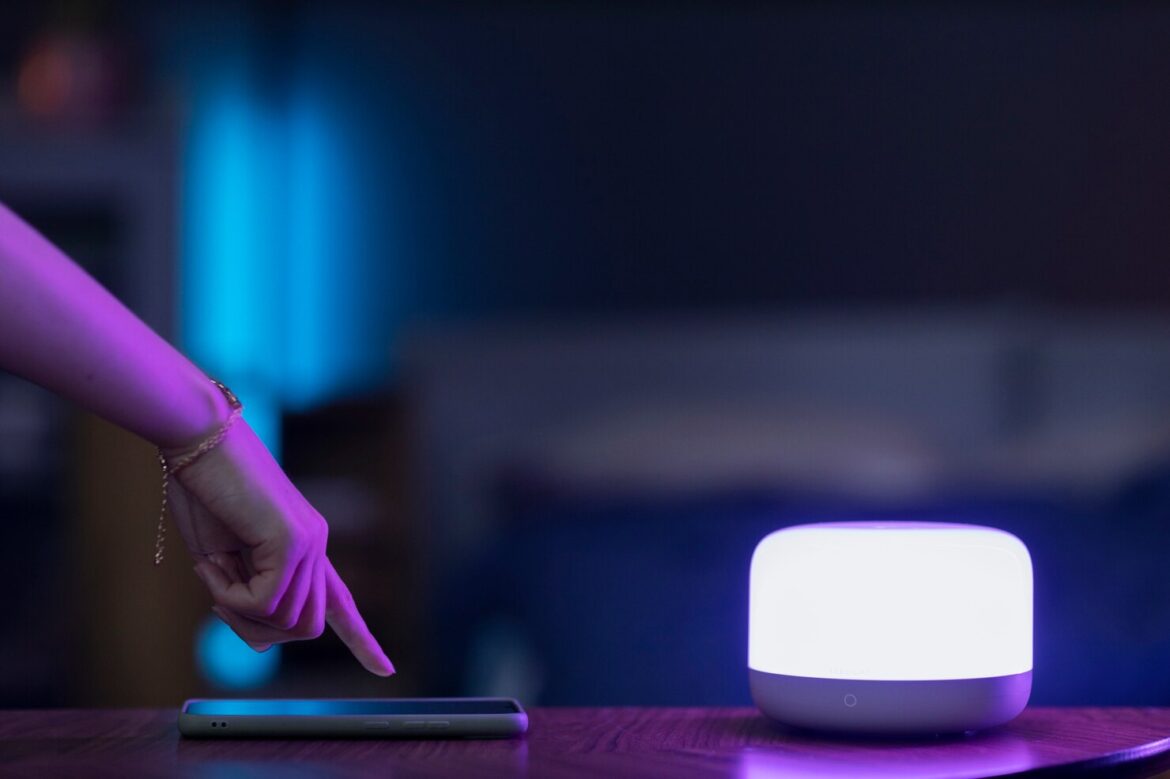
In today’s fast-paced world, technology continues to make our lives easier, and home automation is no exception. One of the most popular advancements in this space is smart lighting.
Imagine being able to control your home’s lights with a simple tap on your phone or even voice commands. It’s a convenience that’s not only cool but practical, too. In this blog, we’ll explore why smart lighting is essential for any modern home and how it plays a crucial role in home automation systems.
What is Smart Lighting?
Smart lighting refers to a lighting system that allows homeowners to control lights remotely through an app, voice commands, or even automation settings. Unlike traditional lighting, which relies on manual switches, smart lights can be customized and scheduled to fit your needs. These systems can adjust the brightness, color, and timing of your lights, offering flexibility and control.
Types of Smart Lights
- Smart bulbs
- Smart switches and dimmers
- Motion-sensing lights
- LED strips
Smart home lighting goes beyond basic control. It can sync with other smart devices like thermostats, security systems, and even entertainment setups. This integration creates a seamless experience that makes managing your home simpler and more efficient.
How Smart Lighting Fits into Home Automation
Home automation is all about creating a connected, efficient home where various systems work together seamlessly. Smart lighting plays a major role in this ecosystem, allowing your lights to interact with other smart devices. For example, when your security system detects motion, the lights can automatically turn on, providing extra visibility and discouraging intruders.
Key Integrations
- Motion sensors
- Thermostats
- Security cameras
- Smart door locks
Additionally, lighting can adjust based on the time of day. For instance, lights can automatically dim in the evening or brighten in the morning, mimicking natural light patterns. This kind of customization is possible because of the sensors, timers, and integration with other home automation tools.
Energy Efficiency and Cost Savings with Smart Lights
One of the key benefits is its energy efficiency. Traditional lighting systems often waste energy by staying on when they’re not needed. With smart lights, you can set up schedules to turn lights off when rooms aren’t in use. Some systems even use motion sensors to turn lights on only when someone is present, ensuring no energy is wasted.
- Use of energy-efficient LED bulbs
- Automatic schedules to turn off unused lights
- Motion sensors for occupancy-based lighting
- Dimming options to reduce energy consumption
In addition, many smart bulbs use LED technology, which consumes much less energy than traditional incandescent bulbs. These bulbs also have a longer lifespan, reducing the frequency of replacements. Over time, the energy savings from using smart lights can significantly lower your electricity bills.
Creating the Perfect Ambiance
Smart lighting isn’t just about functionality; it’s also about setting the right mood in your home. Imagine adjusting the lighting to suit different occasions. Whether you’re hosting a dinner party, watching a movie, or reading a book, lighting lets you create the perfect atmosphere.
Ways to Set the Right Ambiance
- Adjustable color temperatures (warm for relaxation, cool for focus)
- Choose from millions of colors to match decor or mood
- Pre-set scenes (reading, party mode, movie night, etc.)
Many smart lights offer adjustable color temperatures, allowing you to set warm tones for relaxation or cooler hues for tasks that require focus. Additionally, some lighting systems allow you to choose from millions of colors, making it easy to match your lights with your home’s decor or a specific mood.
Smart Lighting for Enhanced Security
Smart lighting also plays an important role in improving the security of your home. With traditional lighting systems, lights are often left on at night to make it seem like someone is home. But with smart lights, you can schedule your lights to turn on and off at random times, simulating the presence of someone inside. This makes it more difficult for burglars to tell whether you’re home or not.
How Lighting Improves Security
- Randomized lighting schedules to mimic presence
- Integration with security cameras for enhanced visibility
- Motion-sensing lights that turn on during suspicious activity
- Automatic lighting when doors are unlocked or opened
Additionally, lighting can integrate with your home security system. For example, when a motion sensor detects activity in your yard, the lights can automatically brighten, providing better visibility for both you and security cameras.
How to Install Smart Lighting in Your Home
Installing lighting in your home is easier than you might think. You don’t need to replace all your existing bulbs right away. Start with a few smart bulbs in key areas like the living room or kitchen. These can be controlled with an app on your phone or through a voice assistant like Amazon Alexa or Google Assistant.
Steps to Install
- Choose your system. Select smart bulbs or switches
- Install the bulbs. Screw in smart bulbs or replace switches
- Connect to your app. Link your lighting system to a smartphone app
- Set up schedules and automations. Program lights based on your preferences
If you’re looking for more extensive control, you can install a smart lighting hub. A hub acts as the central control point for all your lighting devices, allowing you to manage them from one place. Many lighting systems also offer integrations with other smart home devices, letting you create scenes and automations that control multiple devices at once.
Choosing the Right Smart Lighting System for Your Home
When selecting a lighting system, there are a few things to consider. First, decide whether you want to use a standalone smart bulb or a more integrated system with smart switches and dimmers. The type of control you want is also important; some systems work best with apps, while others rely on voice commands.
Things to Consider When Choosing Lighting
- Control method – App, voice, or hub-based control
- Compatibility – Ensure it works with other smart home devices
- Energy efficiency – Look for LED options and energy-saving features
- Price – Choose a system that fits your budget
Next, consider compatibility with your existing home automation setup. If you already have smart home devices like thermostats or security cameras, you’ll want a lighting system that can easily integrate with them.
Lastly, check the energy-saving features of the system. Some smart lights come with features like energy usage tracking, helping you monitor your consumption and make adjustments to save even more.
The Future of Smart Lighting and Home Automation
The future of lighting looks promising. With advancements in technology, smart lighting systems are becoming more intuitive and easier to control. In the coming years, we can expect even more energy-efficient bulbs, deeper integration with other smart home devices, and features that further personalize lighting for your needs.
For example, some lighting systems are now incorporating circadian rhythms, adjusting the color and intensity of the light throughout the day to match natural daylight. This helps improve sleep patterns and overall well-being.
Conclusion
Smart lighting is a vital component of any home automation system. It not only brings convenience and efficiency but also improves the security and ambiance of your home. Whether you’re looking to save on energy costs, create the perfect atmosphere, or integrate your lighting with other smart home devices, lighting offers the solution.
As technology continues to evolve, the possibilities for smart lighting are endless. Embrace the future of home automation today and enjoy the many benefits of lighting!
Ready to brighten up your home with smart lights? Start small and gradually upgrade to a fully automated lighting system. Experience the perfect balance of convenience, energy savings, and personalized ambiance. Make your home smarter today!
FAQs
Q1: How does smart lighting save energy?
Smart lighting saves energy by allowing you to control when lights turn on and off, dimming automatically, and using energy-efficient LED bulbs that consume less power.
Q2: Can I control my smart lights remotely?
Yes, smart lights can be controlled remotely via a smartphone app or voice assistant, allowing you to turn lights on or off from anywhere.
Q3: Are smart lights compatible with other smart home devices?
Most smart lights are designed to integrate seamlessly with other smart home devices, like thermostats, security systems, and entertainment systems.
Q4: How do I install smart lighting in my home?
Smart lighting is easy to install. Simply replace traditional bulbs with smart bulbs or add a smart switch. Many systems require a hub or app for control.
Q5: Can smart lighting improve home security?
Yes, smart lighting can enhance security by simulating your presence when you’re away and integrating with security systems to provide better visibility during motion detection events.